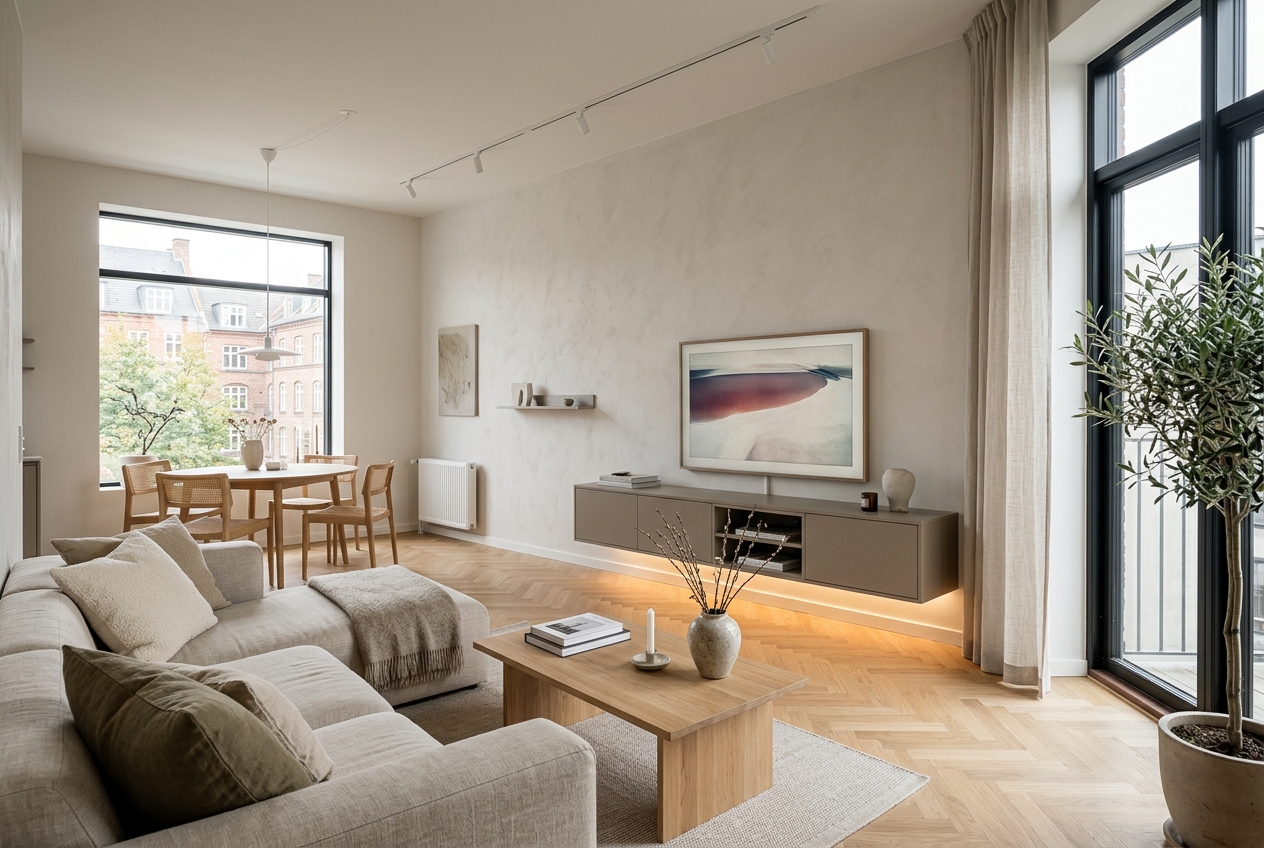
What is Silk Matte Acrylic Lacquer? Why It Never Turns Yellow
The most dreaded flaw in white lacquer furniture is premature yellowing. Discover how aliphatic acrylic resins, UV filtering coats, and multi-stage baking prevent discoloration.
- The primary cause of lacquer discoloration is inferior nitrocellulose paints and aromatic polyurethane hardeners.
- Aliphatic acrylic lacquer systems feature photostable molecular bonds that do not break down under direct UV radiation.
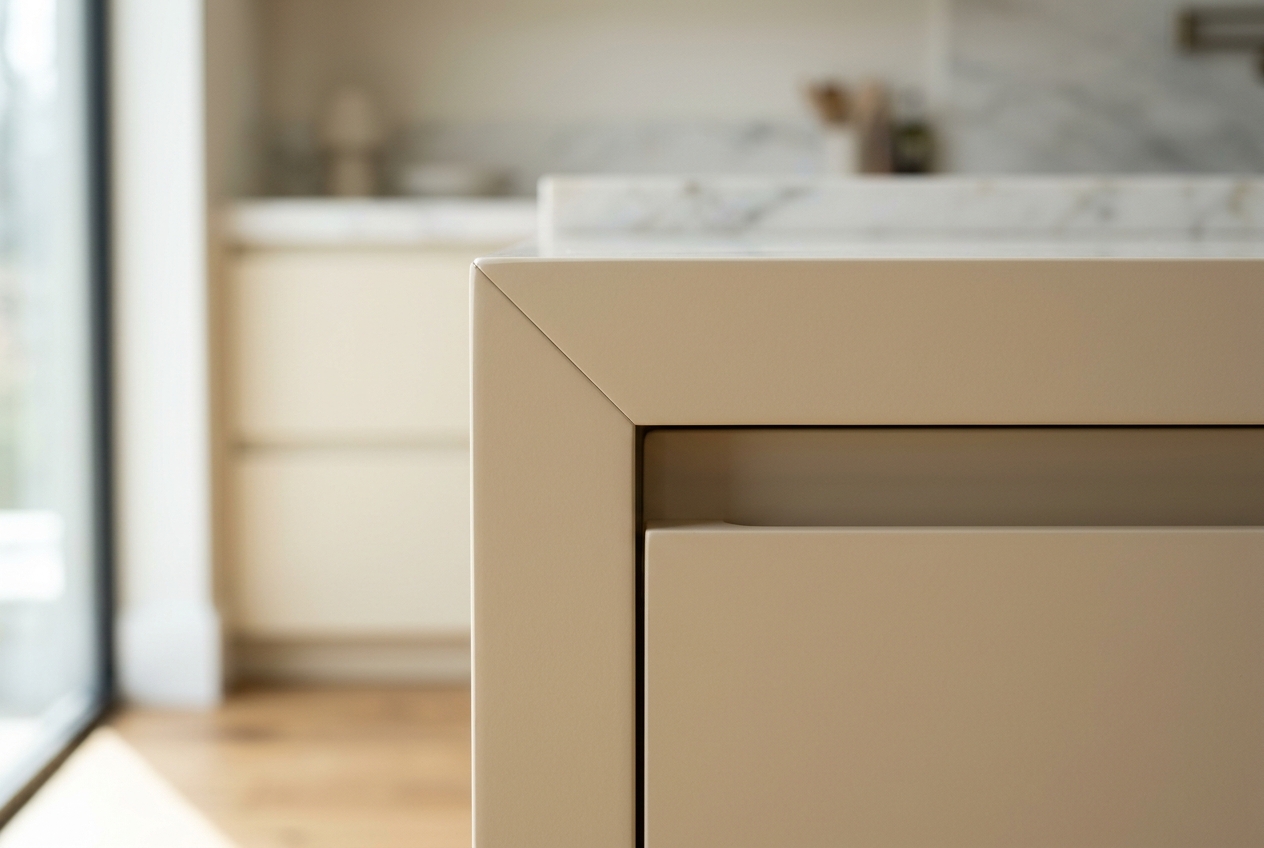
- Silky matte finishes register at 10–15 gloss units, diffusing specular reflections and hiding fingerprint smudges.
- Never use bleach, ammonia, vinegar, or abrasive powders on lacquer; clean solely with damp microfiber cloths.
The greatest apprehension when commissioning bespoke white or ivory millwork is the fear of unsightly yellowing within a few short seasons. At TMC Interior Architecture Atelier, we eradicate this vulnerability by adopting automotive-grade silky matte acrylic lacquer technology.
Why Does White Lacquer Discolor? The Chemical Reality
Yellowing is not an unavoidable trait of lacquer; it is the consequence of substandard raw materials. Conventional workshops frequently rely on aromatic polyurethanes or cheap nitrocellulose paints. Exposure to ambient UV light breaks down these molecular chains, releasing yellowish chromophore compounds over time.
| Lacquer Type | Resin Chemistry | UV Yellowing Resistance | Tactile Sensation | Recommended Application |
|---|---|---|---|---|
| Silky Matte Acrylic (TMC Specification) | Aliphatic Polyurethane Acrylic | Superior (Non-yellowing 10+ yrs) | Velvety, glare-free matte | High-End Kitchens, Walk-ins, Living |
| Standard Polyurethane | Aromatic Polyurethane | Moderate (Color shift in 3-5 yrs) | Standard matte | Internal doors, general cabinetry |
| Nitrocellulose Lacquer | Synthetic Cellulose | Poor (Yellows within 12 months) | Brittle, dry feel | Budget-grade millwork |
| Water-Based Matte | Acrylic Dispersion | High (Good UV photostability) | Natural open-grain | Children's suites, nurseries |
The 4-Stage Priming and Chamber Baking Protocol
Genuine luxury lacquer is a multi-step craft. After precision CNC sizing of high-density MDF substrates, panels receive two coats of high-build pore-sealing barrier primer. Following 24 hours of curing, surfaces are micro-sanded across 400 and 800 grit progressions before receiving dual coats of UV-filtered acrylic enamel in heated spray cabins.
MAINTENANCE & CARE INSTRUCTION
Never expose silky matte lacquer surfaces to chlorine bleach, acetone, or abrasive scrubbers. A dampened microfiber cloth infused with warm water and neutral Castile soap is all that is required to maintain pristine appearance.
To inspect our tangible finish samples or consult with our master finishers, review our Atelier Profile or request a preliminary consultation.
Explore our completed materials & craft projects
Architectural FAQs & Practical Insights
TMC Mimarlık Atölyesi
Malzeme & Cila LaboratuvarıTMC Interior Architecture design and bespoke production atelier based in Ritim Istanbul, Maltepe. Specializing in luxury non-yellowing acrylic lacquer joinery, ergonomic spatial optimization, and turnkey interior fit-outs.
Related Architectural Articles
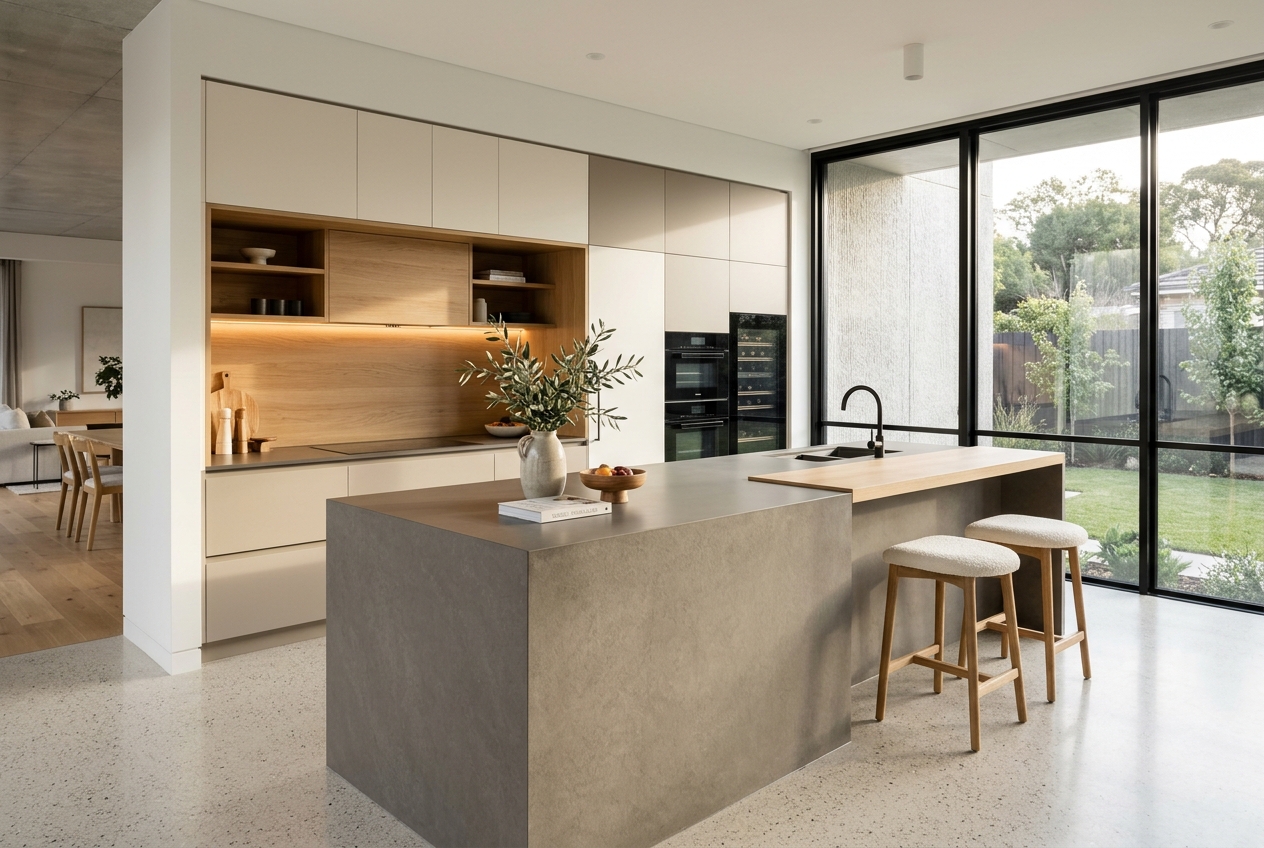
2026 Kitchen Design Trends: Silky Matte Lacquer, Authentic Timber & Concealed Pantries
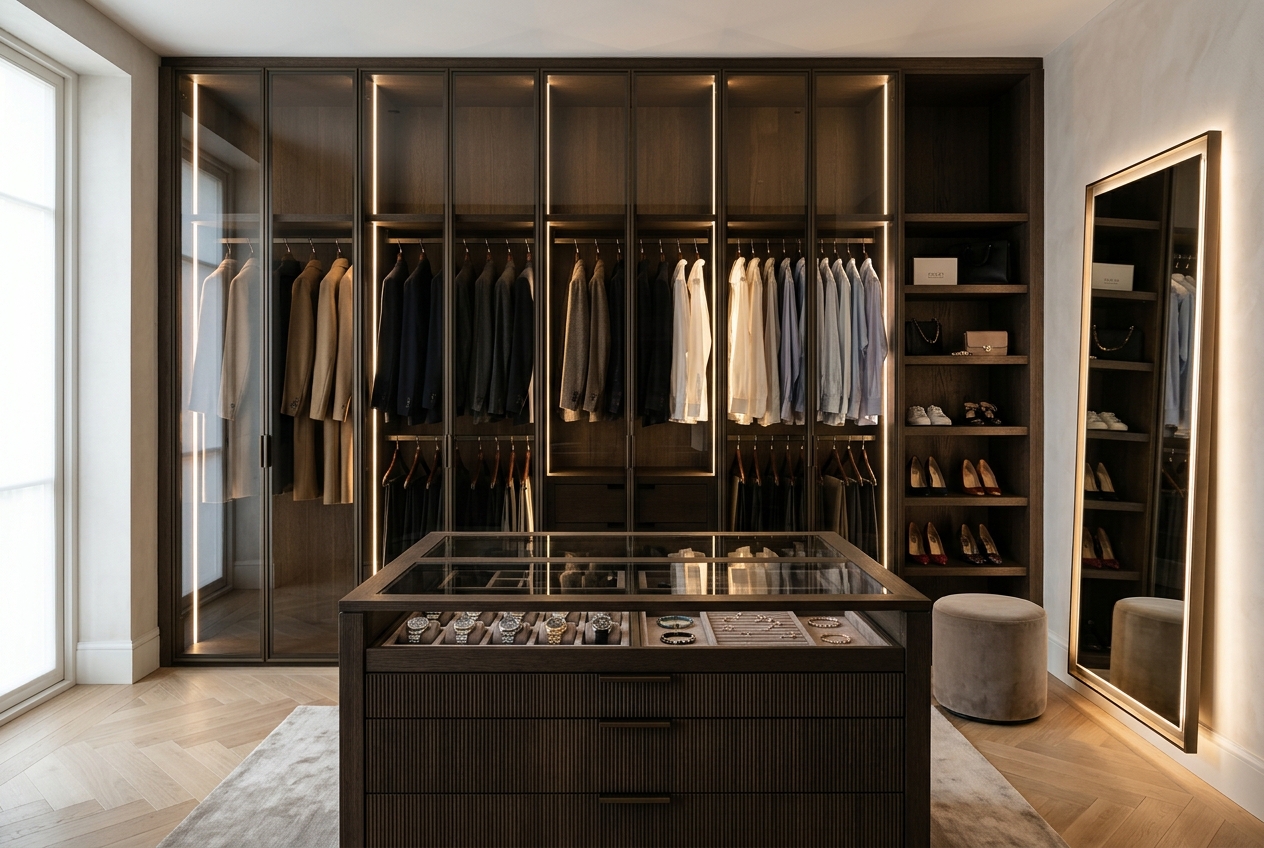
Top 5 Walk-in Wardrobe Design Mistakes and How to Avoid Them